What a Roof Certification Is and Why It Matters
People seeking a roof certification often want proof of roof safety and condition, and local contractors can evaluate and provide the necessary documentation.
If you're a property owner in the area considering the condition of your roof, understanding what a roof certification is and why it matters can be an important step. A roof certification provides a professional assessment of your roof’s current state, helping you determine its integrity and readiness for future needs such as selling, refinancing, or simply ensuring ongoing protection. For those navigating real estate transactions or planning major renovations, knowing the roof’s condition can prevent surprises down the line. Local contractors who specialize in roof inspections and certifications have the expertise to evaluate your roof accurately, giving you peace of mind and clarity about your property’s overall health.
Exploring the significance of a roof certification is especially relevant for property owners who want to safeguard their investments or prepare for upcoming changes. A thorough certification can identify potential issues early, saving money and preventing unexpected repairs later. Whether you're considering a sale or just want to confirm your roof’s reliability, understanding what a roof certification entails and why it’s valuable can inform smarter decisions. Service providers in the area are equipped to handle these assessments professionally, ensuring your roof meets the necessary standards and helping you move forward with confidence. Keep reading to learn more about how a roof certification can benefit your property and how local experts can assist with the process.
- Roof certification services are needed when homeowners or buyers want to verify the condition of a roof before purchasing or selling a property, and local contractors perform thorough inspections to assess roof integrity. When a building has experienced severe weather or aging, local pros provide roof certification to confirm whether the roof meets safety and durability standards. Property managers may require roof certification services to ensure ongoing compliance and maintenance, with service providers conducting detailed evaluations to identify potential issues. During real estate transactions, local contractors offer roof certification to help determine if a roof is suitable for continued use or needs repairs, providing clear documentation of its condition. Roof certification services are also essential when planning major renovations or insurance claims, with local pros delivering expert assessments to support informed decisions.
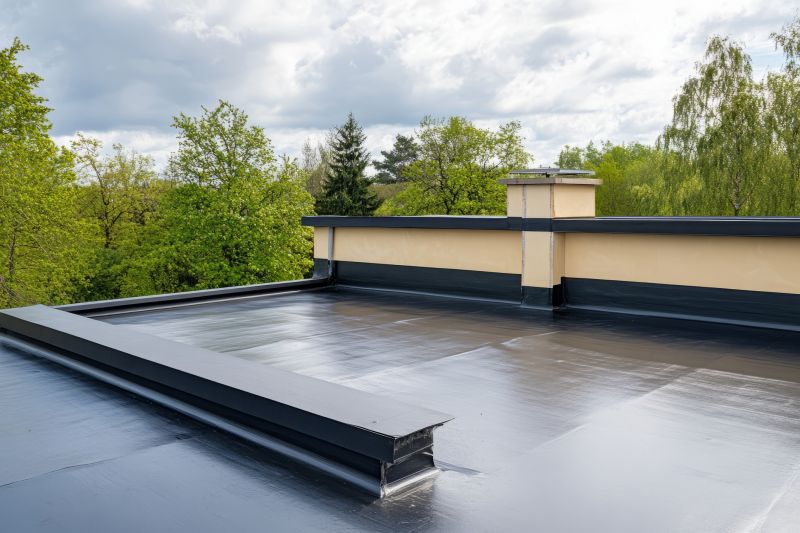

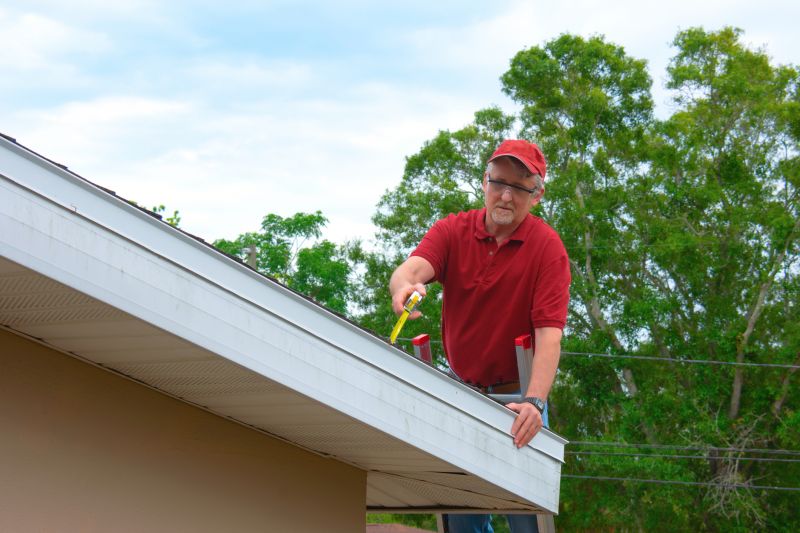
A roof certification is a document that confirms the current condition of a roof, typically indicating whether it is in good repair or if repairs are needed. When people search for this topic, they often want to understand the roof’s overall health, especially in relation to upcoming real estate transactions, insurance requirements, or property assessments. A roof certification provides reassurance to buyers, sellers, and property owners by offering an expert evaluation of the roof’s integrity. It can also serve as a valuable record for future maintenance, helping homeowners identify potential issues before they develop into costly repairs.
This certification is frequently connected to plans such as buying or selling a home, refinancing a property, or ensuring compliance with insurance policies. For homeowners, a roof certification can be an essential step in preparing a house for sale or confirming that the roof meets the standards required by lenders or insurers. It also plays a role in planning maintenance or upgrades, giving property owners a clear understanding of the roof’s condition and what repairs, if any, are necessary. By addressing these concerns early, homeowners can avoid surprises during inspections or negotiations.
The types of properties that typically come up in discussions about roof certification include residential homes, multi-family buildings, and commercial properties. Single-family houses are the most common, especially when preparing for a sale or refinancing. Multi-unit residences like apartment complexes and townhomes often require roof certifications to meet leasing or sale conditions. Commercial properties such as retail buildings, offices, or industrial facilities also benefit from roof evaluations to ensure safety and compliance with insurance or leasing requirements. In each case, the goal is to obtain an expert assessment that accurately reflects the roof’s condition and supports the property’s ongoing use or sale.
Local service providers who handle roof certifications are experienced in evaluating a wide range of property types and addressing various roof systems. These professionals perform thorough inspections to assess the roof’s age, materials, and overall condition, providing detailed reports that document their findings. They help homeowners and property managers understand the state of their roofs and advise on necessary repairs or maintenance. Connecting with trusted local contractors ensures that the roof certification process is carried out accurately and efficiently, supporting property transactions and ongoing property management needs.
Roof inspection services - These projects involve assessing the condition of roofs to identify issues, which is a key component of understanding what a roof certification entails.
Building inspection projects - Building inspectors evaluate structural elements, including roofing systems, requiring similar planning and assessment skills as roof certification evaluations.
Home inspection services - Home inspectors examine roofing components during property evaluations, making their work related to roof certifications and property condition assessments.
Roof repair and maintenance projects - These projects focus on fixing and maintaining roofs, complementing roof certification processes by addressing identified issues.
Structural assessment services - Structural assessments include evaluating the integrity of roofs and supporting structures, aligning with the planning involved in roof certifications.
Storm damage assessment projects - These involve evaluating roofs for damage after storms, which is often necessary before issuing or validating a roof certification.

When evaluating service providers for roof certification, it’s important to consider their experience with similar projects. Homeowners should look for local contractors who have a proven track record of handling roof evaluations and certifications in their area. An experienced pro will be familiar with different roofing systems, common issues that may affect certification, and the specific requirements that might apply based on local building codes or climate conditions. This familiarity can help ensure that the certification process is thorough and accurate, providing confidence that the roof meets the necessary standards.
Clear written expectations are essential when selecting a roof certification service. Homeowners should seek providers who are transparent about what the certification process involves and what the homeowner can expect at each stage. This includes details on the inspection scope, any necessary repairs or maintenance, and the documentation that will be provided upon completion. Having these expectations clearly outlined helps prevent misunderstandings and ensures that all parties are aligned on the deliverables, making the certification process smoother and more predictable.
Reputable references and effective communication are key factors in choosing a dependable service provider. Homeowners can ask for recommendations or reviews from previous clients to gauge the quality of work and professionalism. Additionally, a service provider who communicates clearly and promptly can make the process easier, providing updates and answering questions throughout. Good communication ensures that homeowners feel informed and confident in the service being provided, and it helps establish a positive working relationship that can lead to a successful roof certification.
Property owners often search for what a roof certification is and why it matters when they are planning practical projects around their homes and businesses. Local pros provide Roof Certification services for everyday jobs and straightforward project options.

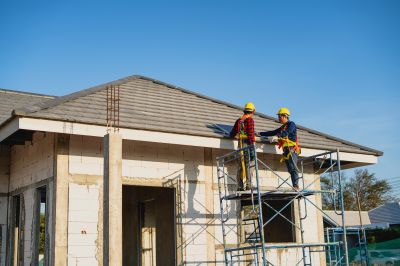
A roof certification is a document that verifies the current condition of a roof, often indicating whether it meets certain standards or has specific issues that need attention. Property owners in the area might seek roof certification services when preparing to sell or buy a home, ensuring the roof is in acceptable shape for the transaction. It can also be useful for homeowners who want to confirm the integrity of their roof after severe weather events or before undertaking major renovations, providing peace of mind that the roof is sound and reliable.
Local contractors who specialize in roof inspections and certifications can assess the roof’s overall condition, identify potential problems, and provide the necessary documentation. Property owners may look for these services to meet insurance requirements, comply with local regulations, or simply to better understand the state of their roof. Connecting with experienced service providers ensures the certification process is thorough and accurate, helping property owners make informed decisions about maintenance, repairs, or future property transactions.
What is a roof certification? A roof certification is a document provided by a professional contractor that verifies the condition of a roof, indicating whether it is in good shape or needs repairs.
Why is a roof certification important? It helps property owners, buyers, or insurers understand the roof’s condition, which can influence decisions related to purchasing, selling, or insuring a property.
How do local contractors perform a roof certification? They inspect the roof for damage, wear, and structural integrity, then document their findings to provide an official certification of the roof’s condition.
Can a roof certification identify potential issues? Yes, it can reveal existing problems or areas that may require maintenance, helping to prevent future damage or costly repairs.
When should someone consider getting a roof certification? It is often recommended during property transactions, before insurance claims, or as part of routine maintenance to ensure roof health.
Understanding roof condition - a roof certification helps property owners assess the current state of their roof before making decisions about repairs or replacements.
Verifying roof integrity - homeowners can use roof certification services to confirm that their roof meets safety standards for insurance or property transactions.
Planning maintenance projects - a roof certification provides a clear overview of necessary repairs, guiding practical maintenance or upgrade plans with local contractors.
Ensuring property value - obtaining a roof certification can support property value by documenting the roof’s condition for potential buyers or appraisers.
If you are thinking about what a roof certification is and why it matters for a property, this guide is meant to help you understand this topic, the typical project types, and how different options might fit your plans.
When you are ready, you can use the quote form on this page to share a few details about your project. From there, local pros can review the basics and follow up with options that match what you have in mind.